
Smoke Ventilation System Design

When fire breaks out, time is everything. The efficiency of your smoke ventilation system can determine whether occupants make it out safely, firefighters’ ability to fight the fire and whether the building sustains manageable or catastrophic damage.

That’s why getting the design right from the start is essential – not only to safeguard lives but also to ensure compliance with the Building Safety Regulator’s (BSR) rigorous approval process and ensure smooth navigation through Gateway 2.

A well-designed system ensures swift approval at each regulatory gateway, reducing delays, meeting stringent safety standards, and providing peace of mind.

Our smoke ventilation design service, tailored for Gateway 2 submittals. Our design packages include:

  • Fully coordinated smoke controlevacuation, and fire alarm system schematics
  • Detailed CFD (Computational Fluid Dynamics) modelling
  • Professional reports to satisfy Building Safety Regulator requirements 

Why Choose FDS Contracting

10,000+ Projects

60+ Projects Successfully Through BSR Gateway 2 Approval

Fully Compliant to British Standards

20+ Years Experience

Design, CFD Modelling, Installation, Commissioning & Maintenance

Why Compliant Smoke Ventilation Design Matters

Smoke is the silent killer in fires – rapidly reducing visibility, disorienting occupants, and causing asphyxiation long before flames spread.

That’s exactly why effective smoke ventilation design is critical. By controlling and removing smoke from escape routes and fire compartments, a properly designed system protects visibility, maintains tenable conditions, and gives occupants the time they need to escape safely, while also supporting firefighter access and intervention.

An effective smoke ventilation system:

Overview of Regulatory Framework

Designing compliant smoke ventilation systems in the UK involves aligning with several standards as well as the Building Safety Regulator. 

Failure to meet these standards can delay approvals, increase project costs, or jeopardise life safety.

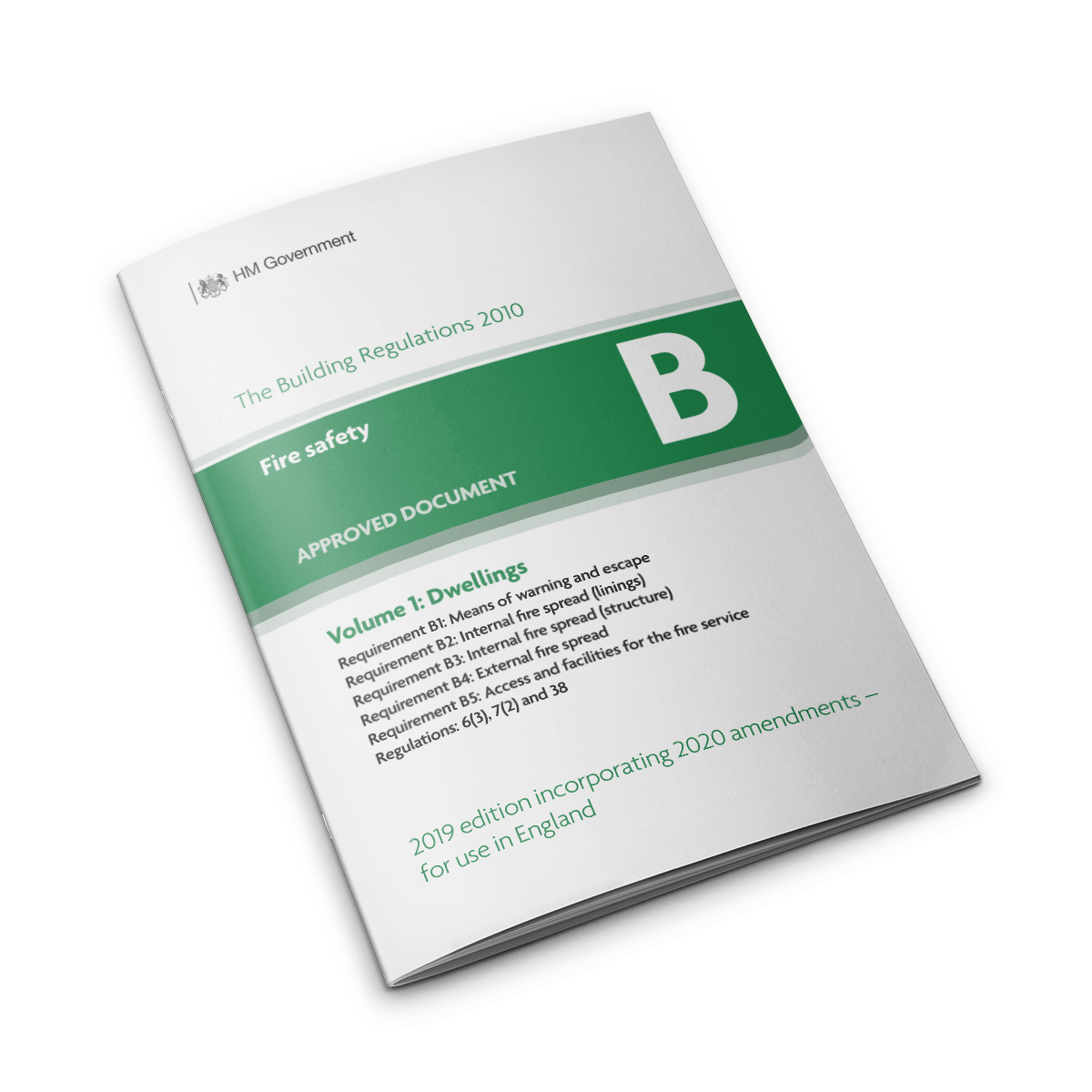
Approved Document B (ADB)

Part of the UK Building Regulations, ADB provides statutory fire safety guidance (for England and Wales) on measures like means of escape, fire spread control, and when smoke ventilation is required in different building types. Compliance with ADB (Volume 1 for dwellings and Volume 2 for other buildings) is mandatory, outlining where smoke vents, shafts or other smoke control features must be installed to keep escape routes clear of smoke.
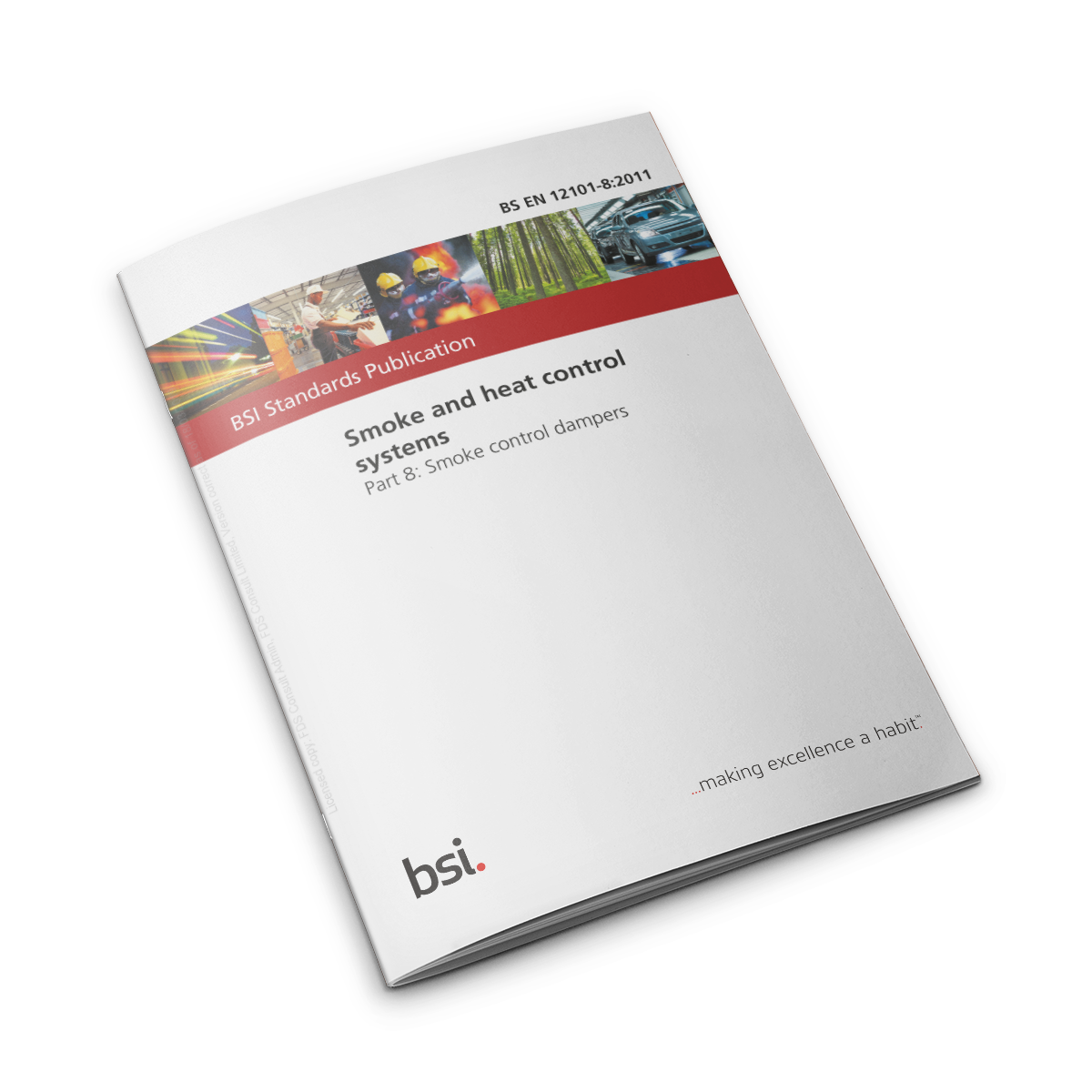
BS EN 12101 Series

A suite of European (EN) standards adopted as British Standards that govern the performance of smoke and heat control systems and components. The BS EN 12101 series specifies testing and quality requirements for smoke ventilation components (e.g. automatic vents, fans, control panels, dampers) to ensure they will operate reliably in a fire. Products compliant with EN 12101 must be certified (CE or UKCA marked with a Declaration of Performance) to verify they meet these performance criteria
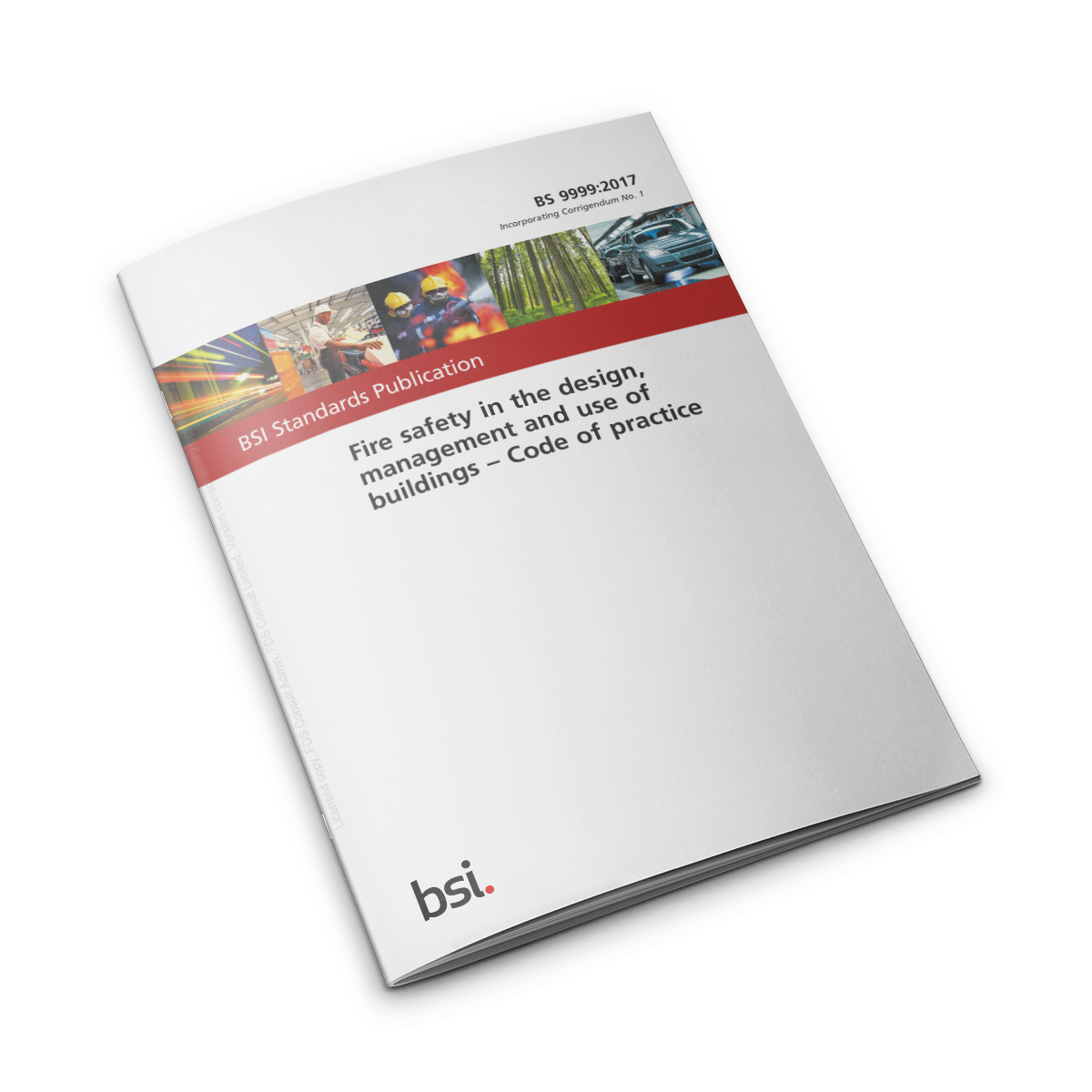
BS 9991 & BS 9999

These British codes of practice provide detailed fire safety design guidance for buildings beyond the basic regulatory minimums. BS 9991 focuses on residential buildings (e.g. apartment blocks), outlining fire strategy measures (including smoke control for escape routes in flats) to achieve acceptable safety for occupants. BS 9999 covers fire safety in the design and use of non-residential or complex buildings, offering a flexible, risk-based approach to fire protection (as an alternative to ADB). Both standards include guidance on smoke ventilation strategies and stress the importance of ongoing maintenance and testing of smoke control systems (e.g. recommending weekly tests and regular inspections by competent persons)


Key Design Considerations

System Type: Natural vs Mechanical

Natural (NSHEV) systems use AOVs and stack effect; ideal for standard layouts and lower costs.

Mechanical (MSHEV) systems use powered fans; suited to high-rise, deep-plan, or complex buildings.

Building Geometry

The building's use, number of storeys, corridor lengths, atria, compartment sizes, and layout complexity all significantly influence the choice of smoke ventilation system.

The system chosen must align with the building's specific fire strategy and comply with all applicable regulatory requirements.

Occupant Profile & Evacuation Strategy

Design must consider:

  • Vulnerable residents (e.g., care homes
  • Single-stage vs phased evacuation
  • Firefighting access requirements

Compartmentation and Fire Resistance

Ventilation systems must work in tandem with fire-rated walls, doors, and lobbies.

Redundancy and Fail Safes Incorporate

  • Backup power supplies
  • Manual override switches
  • System status monitoring

Best Practices for Effective Design

Engage Fire Safety Engineers Early

Early involvement ensures coordination with fire strategy, spatial planning, and HVAC systems.

Work with competent Smoke Ventilation Designers

The latest developments in accredited certification schemes are setting the path to improving competency and testing for smoke control systems.

Use CFD Modelling

Computational Fluid Dynamics simulations validate performance and help secure approvals with evidence based modelling.

Design for Maintainability

Ensure all components are accessible and tested regularly per BS 7346-8.

Integrate With Smart Building Controls

Advanced systems can interface with BMS platforms for centralised monitoring and diagnostics.

Commissioning and Validation

Conduct smoke tests and witness trials to verify functionality and gain Building Control sign-off.

Common Pitfalls to Avoid

CFD Modelling

Computational Fluid Dynamics (CFD) is a design tool that supports detailed smoke ventilation system design and plays a critical role in demonstrating compliance for BSR Gateway 2 approval.

The software enables designers to model complex airflows, fire dynamics, and smoke behaviour within a building, providing clear visual and analytical insight into system performance. This ensures smoke ventilation strategies are not only effective, but also backed by robust, evidence-led design.

Once installed, CFD results can be validated through commissioning and testing, providing reassurance to approving authorities – including the Building Safety Regulator – that systems are correctly installed and operating as intended.

CFD analysis is essential when adopting a fire-engineered approach that departs from prescriptive guidance such as Approved Document B. FDS Contracting delivers structured, approval-ready CFD reports aligned with BSR Gateway 2 requirements, supporting Building Control submissions and helping take smoke ventilation designs through the approval process with confidence.

CFD Modelling For BSR Gateway 2 Approval

Ensure smoke movement, tenability, and system performance are clearly evidenced, fully traceable, and built to stand up to Gateway 2 scrutiny. When approval is a stop/go decision, clarity of evidence makes the difference.

Why Choose FDS Contracting?

FDS Contracting have been designing and installing compliant, efficient smoke ventilation systems for over 20 years.

Our solutions include:

  • End-to-end system design, installation, commissioning and maintenance
  • Expert support from group Fire Engineers (FDS Consult UK)
  • Expertise in natural, mechanical, pressurisation and car park smoke venting systems
  • Full compliance with BS EN 12101 and ADB requirements
  • Lifecycle support and maintenance packages

We collaborate closely with M&E consultants, contractors and developers to deliver systems that perform under pressure and pass regulatory scrutiny.

Final Thoughts

Designing a smoke ventilation system is about more than ticking boxes. It’s about safeguarding lives, meeting the law, and preserving your building’s long-term integrity. With the right partner and process, you can design a system that does all three.

Explore our smoke ventilation services.

Need expert advice? Contact FDS Contracting today to discuss your project.


hbspt.forms.create({ portalId: "4384324", formId: "93dfca86-64d0-498a-b482-6cb1aa9e8bee" });

Speak to one of our experts today