CFD Modelling For BSR Gateway 2 Approval
CFD outputs must do more than illustrate – they must demonstrate.
Smoke movement, tenability, and system performance need to be evidenced and documented so results are transparent, traceable, and reproducible by the reviewer. That’s what properly executed CFD modelling provides. At Gateway Two, that distinction matters, because approval is a stop/go decision. The more complex the geometry and the more performance-led the strategy, the more your submission lives or dies on the clarity of the evidence.
Our CFD Modelling Services
If Gateway Two is on your horizon, the best time to secure CFD evidence is before design decisions become expensive to change. Each model is developed around clearly defined objectives, fire scenarios, and acceptance criteria, ensuring the outputs are not just technically correct, but aligned with what the Building Safety Regulator expects to see.
We deliver CFD modelling for:

Residential Projects

Commercial Projects
Basements
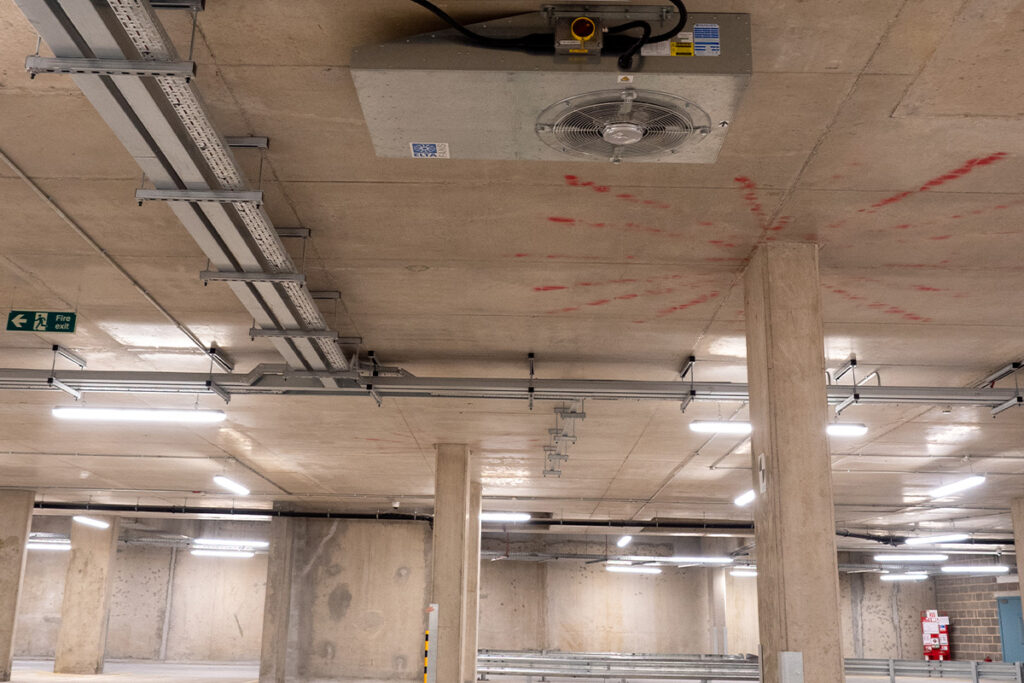
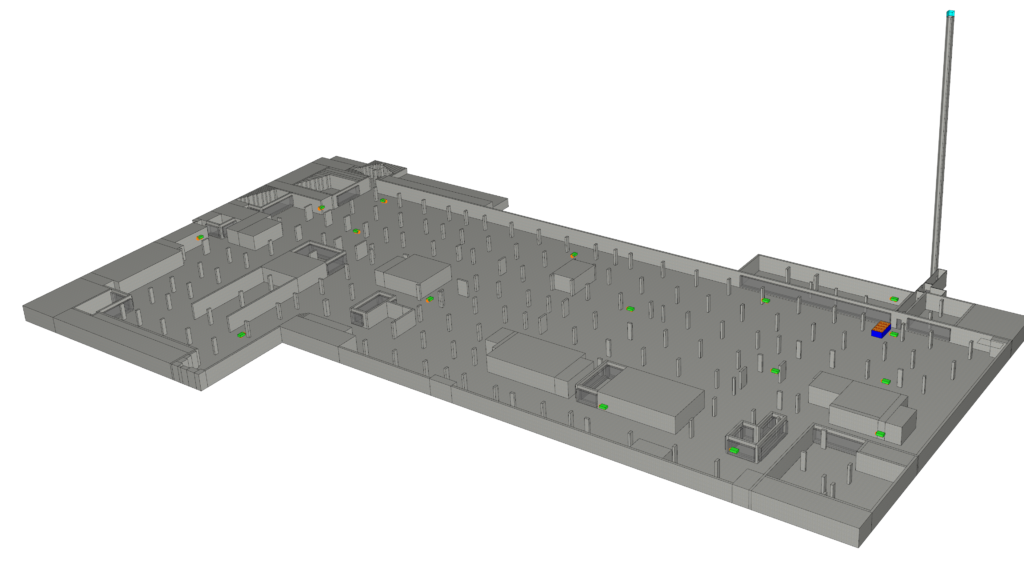
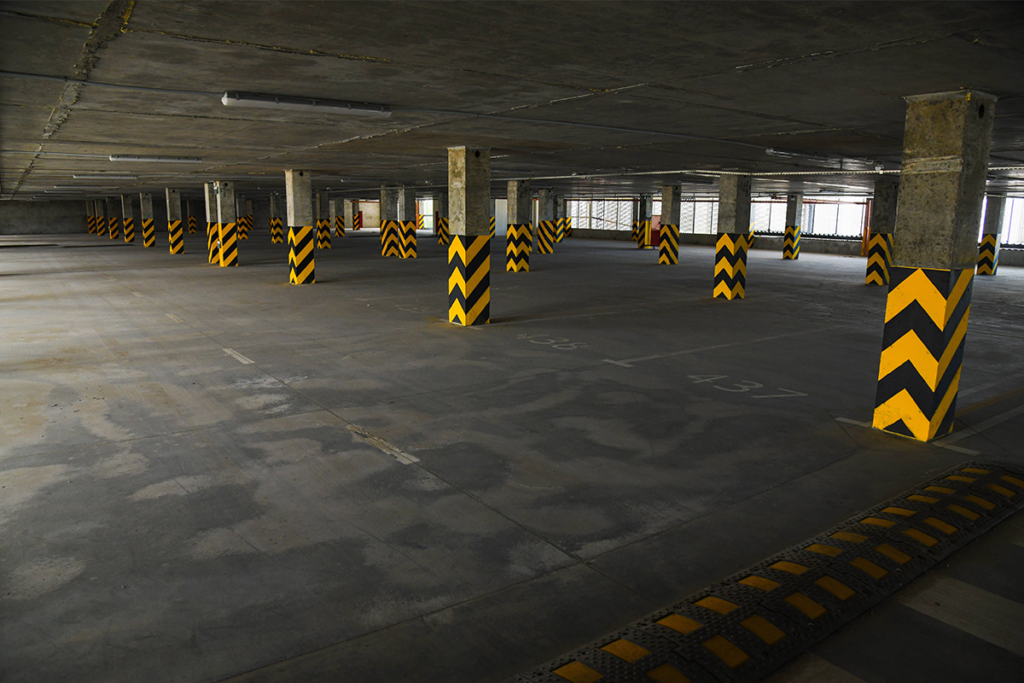
Car Park Smoke Clearance
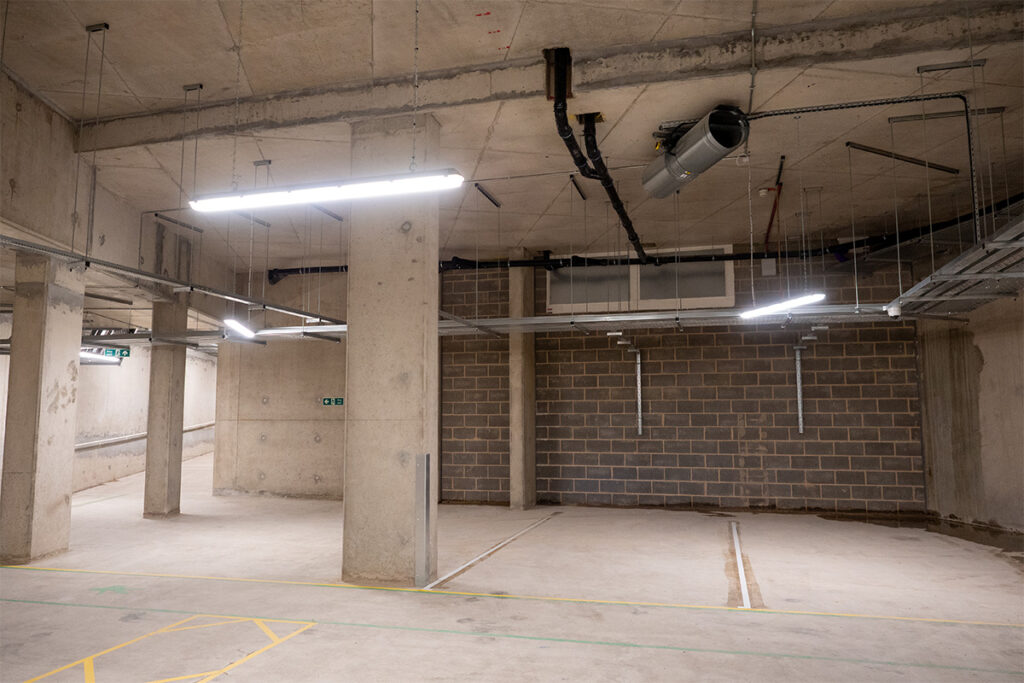
Car Park Environmental
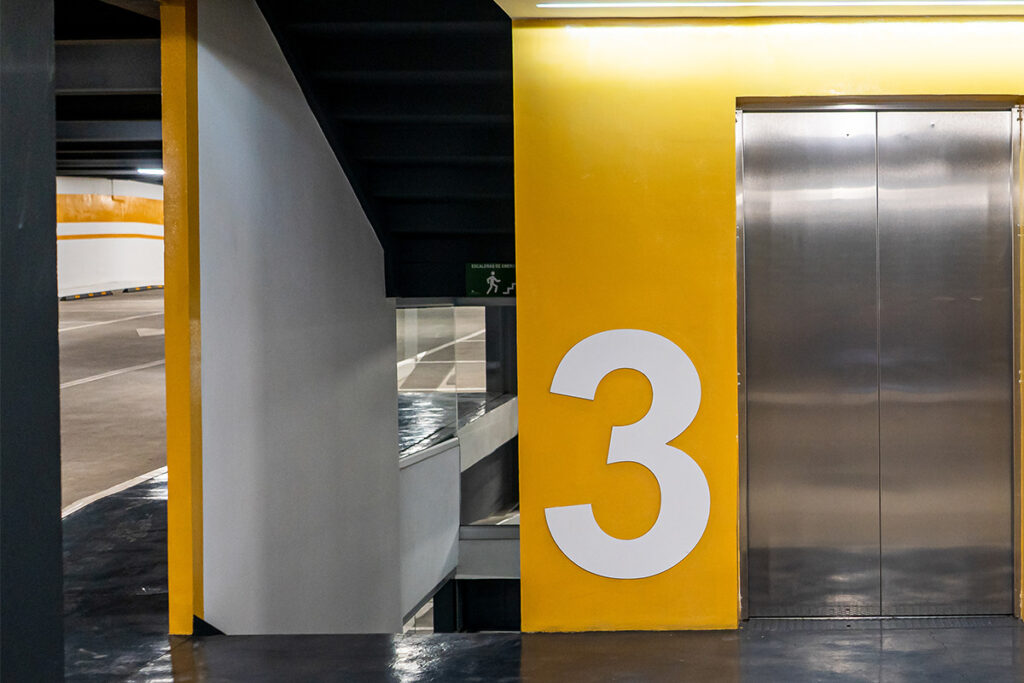
Car Park Lobbies
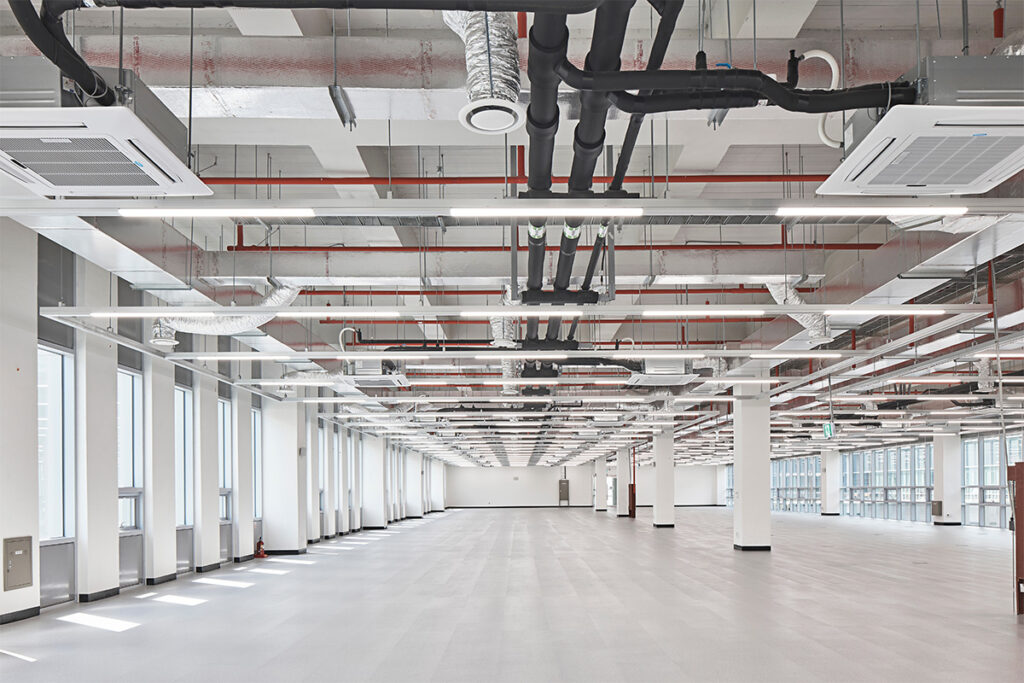
Open Plan

Warehouses
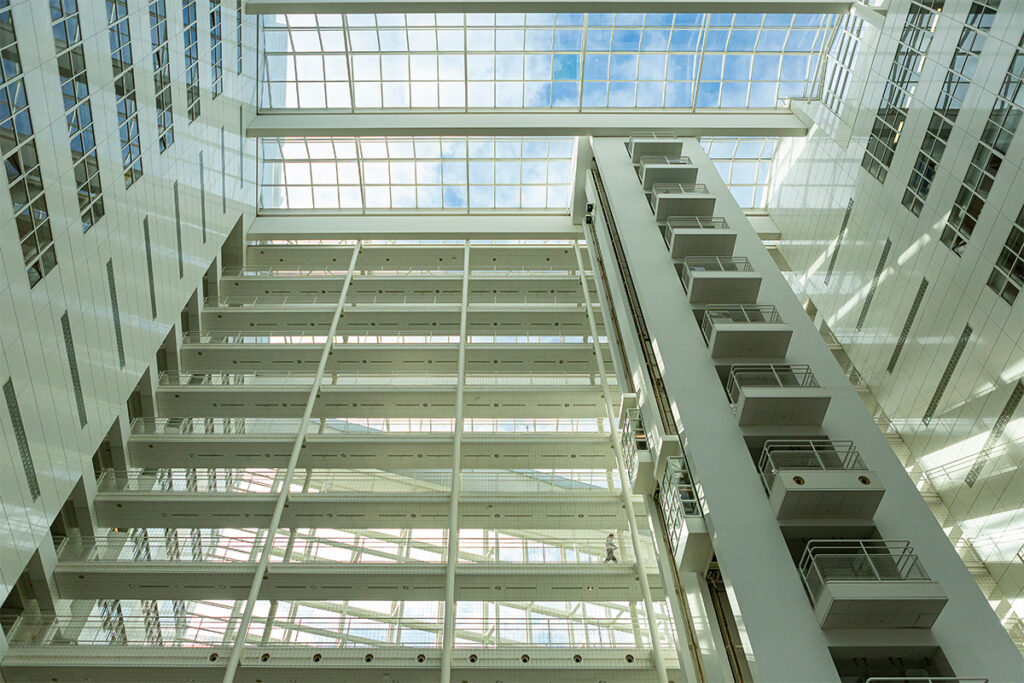
Atriums
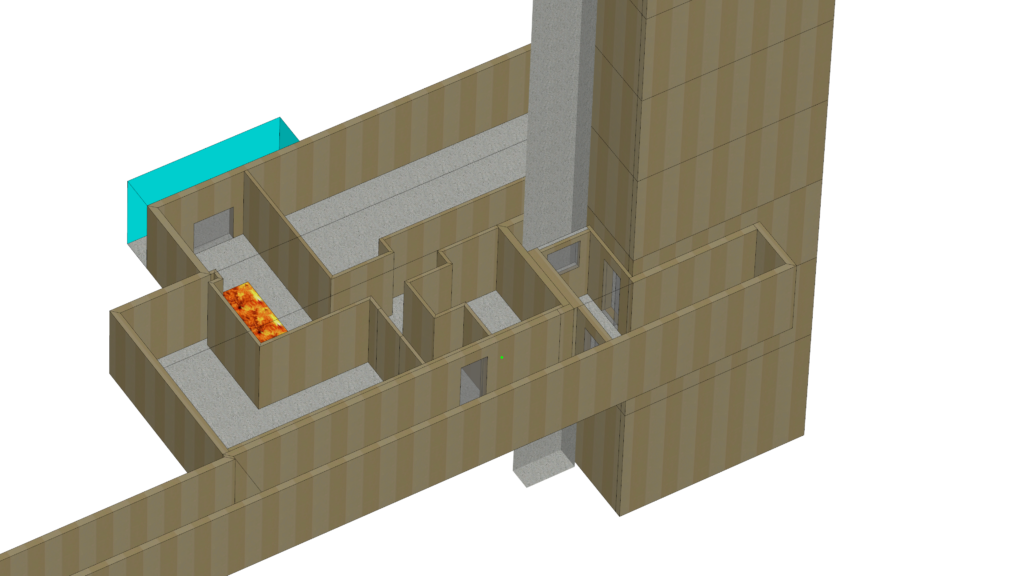
Independent 3rd Party CFD Review
CFD doesn’t fail at Gateway Two because it exists – it fails because it can’t be interrogated.
We carry out independent third-party CFD reviews to assess whether a model is robust, assumptions are justified, and conclusions are defensible. This includes:
- Reviewing modelling methodology, inputs, and boundary conditions
- Challenging assumptions and fire scenarios
- Assessing alignment with Approved Document B, BS 9991, BS 9999, and EN 12101
- Identifying gaps before they become approval issues
Where required, we provide clear, structured feedback or formal review documentation to support resubmission or strengthen confidence in the design.
What is CFD Modelling?
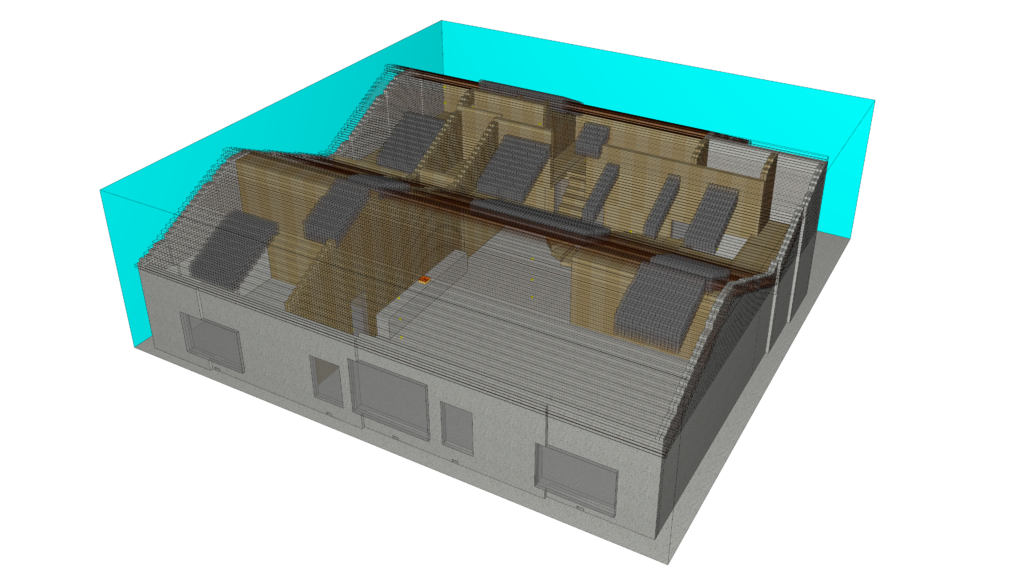
Computational Fluid Dynamics (CFD) is a numerical method for analysing fluid flow. In smoke control and fire safety, it is used to simulate how air, smoke, heat and pressure move through a defined 3D space under defined fire and ventilation conditions.
A critical point (often missed): CFD software alone isn’t a design tool. It predicts the performance of a proposed design under a particular set of conditions. Change the assumptions and you can change the outcome – which is why assumptions must be justified, relevant and traceable.
In practice, good CFD Modelling for smoke control design produces outputs that support decisions, such as:
- Smoke layer development and spread
- Temperature and visibility trends
- Airflow routes, pressure differentials and system interactions
Why CFD Modelling is needed
Modern buildings don’t follow simple rules. Complex layouts and performance-based designs demand evidence – not intent.
CFD Modelling is used when performance must be proven, particularly where designs move beyond prescriptive guidance. It allows you to:
- Validate smoke control in complex or open-plan environments
- Identify risks and failure points early, before costly redesign
As industry guidance makes clear, without defined objectives, scenarios, and reporting criteria, CFD can waste time and budget without delivering approval-ready evidence.
Talk to a CFD expert today
Why CFD Modelling is critical for BSR Gateway Two
Gateway Two is designed as a stop/go hold point: for higher-risk buildings, building control approval must be obtained before relevant building work starts.
It is also explicitly evidence-focused. Gateway Two applications are expected to demonstrate how proposals comply with building regulations requirements, and documentation must be realistic and not dependent on unreasonable assumptions about management, maintenance or occupant behaviour.
That is why “CFD Gateway 2” has become a real commercial need, not a buzzword. Done properly, CFD Modelling gives you an evidence-led route to justify performance-based decisions:
Built on Traceable Assumptions
A traceable record of modelling assumptions and design conditions (so the submission is auditable)
Built for Independent Review
Reporting that a reviewer can replicate to reach the same conclusions — a core expectation of credible assessment
Aligned with Key UK Fire Standards
It also supports alignment with the frameworks typically referenced in HRB submissions, including Approved Document B, BS 9991, BS 9999 & BS EN 12101 series
When approval teams raise technical queries, the fastest path is a submission that is already structured around: clearly stated objectives, transparent scenario logic, traceable modelling assumptions, and conclusions that map directly to the acceptance criteria.
How FDS CFD supports Gateway Two approval

Stay compliant
Gateway Two isn’t the place to “add CFD” late. We define the modelling strategy early — clear objectives, scenarios, and success criteria — so your submission answers the regulator first time and stays on programme.

Built for BSR review
Our CFD reports are structured for scrutiny — clear assumptions, traceable inputs, and defensible conclusions. No ambiguity. No wasted time. Just documentation a reviewer can follow and approve.
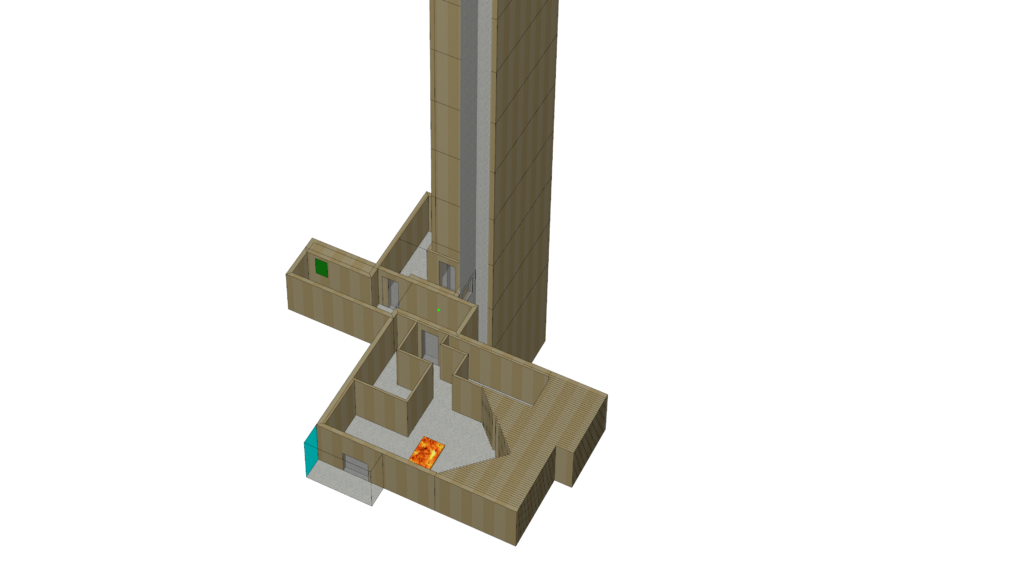
Designed as one system
CFD is fully aligned with your smoke control strategy and fire approach — not bolted on. Fans, airflow, controls, and fire scenarios are modelled as a coordinated system, not isolated elements.
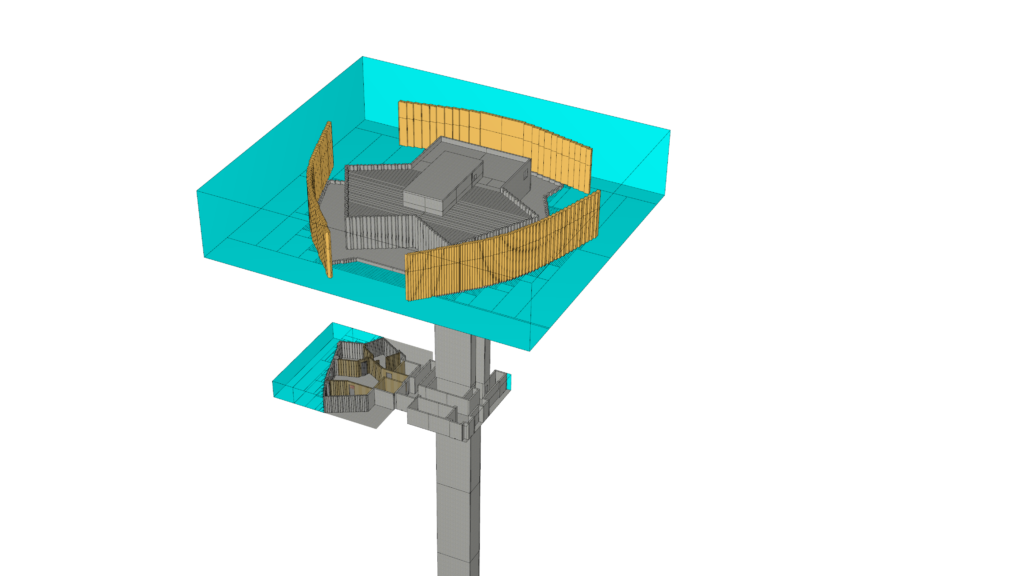
Proven at scale
Gateway Two brings scrutiny. With 20+ years’ experience and thousands of CFD models delivered, we support responses with clear evidence, robust justification, and, where needed, independent peer review — turning complex analysis into approval-ready submissions that get it right first time and avoid costly redesign.
Speak to our team about CFD Modelling, smoke modelling CFD, and Gateway Two support and get the evidence base in place early, so your submission is clear, coherent, and built to stand up to scrutiny.
BSR Gateway 2 CFD support